Dyatlov Pass: Nine Hikers, One Night, and the File That Won’t Stay Closed
On February 26, 1959, a search party climbing a frozen slope in the northern Ural Mountains found a tent half-buried in snow. It had been cut…
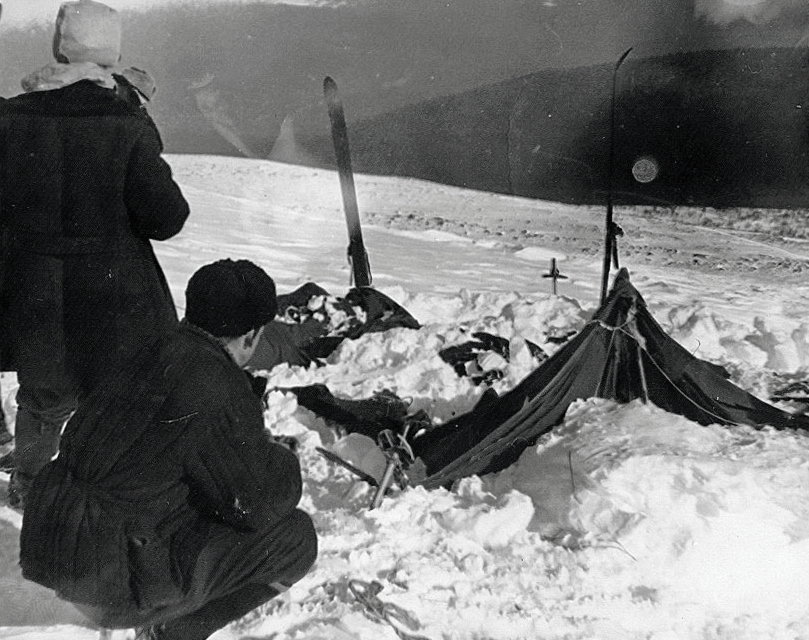 Public domain via Wikimedia Commons (Soviet investigation photograph, February 26, 1959)
Reader’s note: legends and folklore are presented as reported stories and beliefs, not established fact.
On February 26, 1959, a search party climbing a frozen slope in the northern Ural Mountains found a tent half-buried in snow. It had been cut open from the inside, in several places, by the people who had been sleeping in it. Their boots were still inside, stacked in reasonable order, along with their jackets, food, and diaries. The nine people who had cut their way out were gone — into a night of roughly -30°C, in socks or barefoot, without their coats.
None of them came back. Over the following weeks, searchers found their bodies scattered across the slope and a snow-filled ravine more than a kilometer away. Six had frozen to death. Three had injuries a pathologist compared to a car crash — but with no wounds on the outside of their bodies. One was missing her tongue. Some of their clothing showed elevated radiation. The Soviet investigation closed the case three months later with a phrase that explained nothing: the hikers had died by “a compelling natural force.” Then the files were classified.
That was 1959. In 2020, Russian investigators reopened the case and announced an answer: an avalanche. A peer-reviewed physics study followed, modeling exactly how it could have happened. The file, officially, is closed. And yet Dyatlov Pass remains the most argued-over mystery in modern mountaineering — because the avalanche answer, good as it is, still doesn’t close every question the mountain asked.
The nine
They were not amateurs, and that matters. The group was nine students and graduates of the Ural Polytechnical Institute in Sverdlovsk (now Yekaterinburg), led by 23-year-old Igor Dyatlov: Dyatlov himself, Zinaida Kolmogorova, Lyudmila Dubinina, Yuri Doroshenko, Georgy Krivonishenko, Rustem Slobodin, Semyon Zolotaryov — the oldest at 38, an experienced guide and war veteran — Nikolai Thibeaux-Brignolles, and Alexander Kolevatov. Their objective was a Category III winter trek, the most difficult Soviet grade, to the mountain Otorten, about ten kilometers north of where they would die.
Ten people set out on January 23, 1959. One of them, Yuri Yudin, turned back on January 28 with an illness — the only decision that day that saved a life. The nine who went on were experienced, well-equipped, and careful. They kept diaries. They took photographs. They knew the Urals in winter.
On February 1, blown off course by a snowstorm, they made camp not in the forest as planned but on the open eastern shoulder of Kholat Syakhl — a mountain whose name, in the language of the indigenous Mansi people, means “Dead Mountain.” They cut a flat platform into the slope and pitched their tent. The exact night they died is inferred from the state of the camp, not fixed by any record: the night of February 1–2. There was no eyewitness, and no surviving log of the hours in question.
When the group failed to return in mid-February, a search began on February 20. Six days later, searchers found the tent.
What the searchers found
The scene the searchers documented, piece by piece, is the core of the mystery — and it is worth laying out in the order they found it, because the order is the evidence.
The tent, found on February 26, was partly collapsed under snow and slashed open from the inside. Inside, everything was in reasonable order: boots, jackets, food, diaries. The group had left in a hurry, but they had not been robbed or attacked in their sleep — nothing had been taken, and there were no signs of a struggle inside the tent. Footprints led downhill, toward the forest.
About a kilometer and a half below the tent, at the forest edge, searchers found the first two bodies on February 27: Yuri Doroshenko and Georgy Krivonishenko, lying by the remains of a small fire under a tall cedar, wearing little more than underwear. Both had died of hypothermia. Branches had been snapped off the cedar several meters up, as if someone had climbed it to look back toward the tent.
Further up the slope, between the cedar and the tent, searchers found Dyatlov, Kolmogorova, and Slobodin — apparently trying to return toward the tent when they died. Slobodin had a small crack in his skull, but it was not life-threatening. All five of the first bodies found had died of hypothermia.
The last four took another two months. On May 4, with the thaw underway, searchers dug into a ravine about 75 meters beyond the cedar and found Lyudmila Dubinina, Semyon Zolotaryov, Nikolai Thibeaux-Brignolles, and Alexander Kolevatov under roughly four meters of snow, near a rough shelter — a “den” — of cut fir branches. These four turned a tragedy into a mystery.
The injuries that made it a mystery
The autopsies on the last four bodies, conducted in the summer of 1959, are what kept this case alive for sixty years.
Thibeaux-Brignolles had a severe skull fracture. Dubinina and Zolotaryov both had multiple broken ribs — massive chest fractures. Yet the forensic examiner, Boris Vozrozhdenny, recorded no corresponding external wounds: no bruising, no broken skin, nothing on the outside of the body to match the force inside it. The force, he said, was comparable to a car accident, and it could not have come from another person.
Two of the ravine bodies were missing soft tissue: Dubinina had no tongue, and Dubinina and Zolotaryov both had empty eye sockets. And when a radiological laboratory examined some of the victims’ clothing in May 1959, it found elevated radiation on several items.
The Soviet investigation, led by prosecutor Lev Ivanov, closed the case on May 28, 1959. Its conclusion was the famous formula: the hikers had died by “a compelling natural force” — a phrase vague enough to keep the argument alive for six decades. The files were classified and placed in a secret archive. Years later, Ivanov himself admitted he had been ordered to suppress certain witness reports — including accounts from other groups of glowing orange spheres in the sky that night.
Every one of those details has a prosaic explanation, and every one of them has been disputed. That is the shape of this case: the facts are solid, and the mechanism is still argued over.
The theories
Over sixty years, the explanations offered for Dyatlov Pass have run from the natural to the fantastic, and they are worth sorting honestly — by what each one actually explains.
An avalanche was the first serious theory, and for decades it had an obvious problem: the slope where the tent stood looked too gentle to slide. That objection held for a long time, and it is the reason the avalanche theory kept losing arguments it should have won.
Infrasound — the idea, popularized by Donnie Eichar’s 2013 book Dead Mountain, that wind over the peak created low-frequency sound waves that induced panic — explains a sudden flight, but not the crushed chests.
Military involvement has been proposed in several forms: a secret weapons test, a rocket launch, the glowing spheres other witnesses reported that night. The spheres are real reports, and Ivanov’s admission that he was ordered to dismiss them keeps this theory alive. But no military test accounts for the pattern of injuries, and no debris or blast evidence was ever found at the site.
Then there are the wilder theories: a Yeti, or the Mansi forest spirit the locals call the menk. They explain nothing in the physical record, and they survive because the record is frightening enough to invite them.
The honest summary is this: most researchers who have engaged seriously with the physical evidence now lean toward a natural explanation — not because every question has been answered, but because a natural explanation accounts for more of the available evidence, taken together, than any competing theory does.
The avalanche answer — and what it doesn’t close
In 2019, Russian authorities formally reopened the case. On July 11, 2020, the Prosecutor General’s Office announced its conclusion: a slab avalanche had forced the group from their tent in near-zero visibility, after which they died of hypothermia. A separate review by the Investigative Committee reached the same conclusion.
Then, in January 2021, came the physics. Johan Gaume and Alexander Puzrin, scientists at EPFL and ETH Zürich, published a peer-reviewed model in Communications Earth & Environment showing how a delayed slab avalanche could have happened on exactly that slope. The key was the tent platform itself: by cutting into the slope to make a flat place to pitch the tent, the group had weakened the snowpack above them. Katabatic winds — cold air pouring down the mountain — loaded more snow onto that weak layer overnight. Hours later, the slab released: a cohesive plate of wind-compacted snow sliding as a single unit. Follow-up expeditions in 2021 and 2022 filmed slab avalanches occurring at the pass, the first video evidence of the mechanism there.
The model also fits the injuries. A compact mass of dense snow collapsing over the group — whether the slab itself, or the snow den in the ravine caving in on the last four — can produce exactly the pattern Vozrozhdenny documented: massive internal trauma with little or no external wounding, the way a car crash does.
The remaining anomalies have prosaic explanations too. The missing soft tissue is consistent with three months of decomposition in running water, plus animal scavenging. The undressing at the cedar is a known hypothermia symptom — paradoxical undressing, when a freezing person feels burning hot and sheds clothes. The radiation is the most contested point: one proposed source is the 1957 Kyshtym disaster at the Mayak nuclear complex, where Krivonishenko had worked — but the readings and their meaning are still disputed, and honest accounts say so.
None of this is the same as proof. The exact sequence after the group left the tent is still unknown, and it always will be — there were no survivors and no witnesses. The families of the dead, and independent researchers, continue to dispute whether the avalanche fully accounts for every element of the record. The 2021 model is the best-supported explanation on the table. It is not a confession from the mountain.
Why it endures
Dyatlov Pass endures for the same reason the best dark-history stories endure: the file is closed and the mystery isn’t. The pass itself is named for the man who died there. The mountain was already called Dead Mountain before any of them arrived. And the central image — nine experienced, careful people cutting their way out of their own tent into a night that would kill them, and never once coming back for their boots — refuses to be explained away by any single sentence, even a good one.
That is the honest verdict on Dyatlov Pass. The most likely explanation is no longer secret weapons, monsters, or a hidden government conspiracy. It is snow, wind, a cut slope, and a sequence of genuinely rational survival decisions made under impossible conditions — followed by three months in a ravine, and sixty years of people trying to make the pieces fit. The avalanche answer is strong. The file is closed. And the mountain keeps the rest.
Frequently Asked Questions
What happened at Dyatlov Pass?
On the night of February 1–2, 1959, nine experienced ski-hikers from the Ural Polytechnical Institute died on the slope of Kholat Syakhl (“Dead Mountain”) in the northern Urals. They cut their way out of their tent at night, walked downhill toward the forest without proper clothing, and died of hypothermia and traumatic injuries. Their tent was found on February 26, 1959; five bodies were found in February and March, and the last four were found in a ravine on May 4, 1959.
Was it an avalanche?
Officially, yes. Russian investigators reopened the case in 2019 and announced in July 2020 that a slab avalanche was the most likely cause. A 2021 peer-reviewed study by Gaume and Puzrin (EPFL / ETH Zürich) modeled how a delayed slab avalanche could have occurred on that slope — the group had cut a platform into the snowpack to pitch the tent, and katabatic winds loaded more snow onto the weakened layer until it released. The model fits the injuries and the site conditions, and follow-up expeditions filmed slab avalanches at the pass. Some researchers and the victims’ families still dispute that it accounts for everything.
What about the radiation?
A radiological laboratory examined some of the victims’ clothing in May 1959 and found elevated radiation on several items. One proposed explanation links it to the 1957 Kyshtym disaster at the Mayak nuclear complex, where one of the hikers, Georgy Krivonishenko, had worked. The readings and their meaning remain disputed, and no radiation-based theory of the deaths has held up — the radiation was on clothing, not a cause of death in any autopsy.
What about the missing tongue and eyes?
Lyudmila Dubinina was found without her tongue, and she and Semyon Zolotaryov had empty eye sockets. The standard forensic explanation is three months of decomposition in running water in the ravine, plus animal scavenging — the last four bodies lay under roughly four meters of snow in a stream bed from February until May. The missing soft tissue is disturbing, but it is consistent with the conditions and the time the bodies spent there, not evidence of an attack.
Can you visit Dyatlov Pass?
Yes. The pass is a real place in the northern Urals, in Sverdlovsk Oblast, Russia, and guided treks go there in summer and winter. There is a memorial at the site, and the pass is named for Igor Dyatlov, the group’s leader. It is remote — the nearest town, Ivdel, is roughly 100 kilometers away — and the weather is as dangerous now as it was in 1959, which is part of why the story still commands respect.
Keep exploring
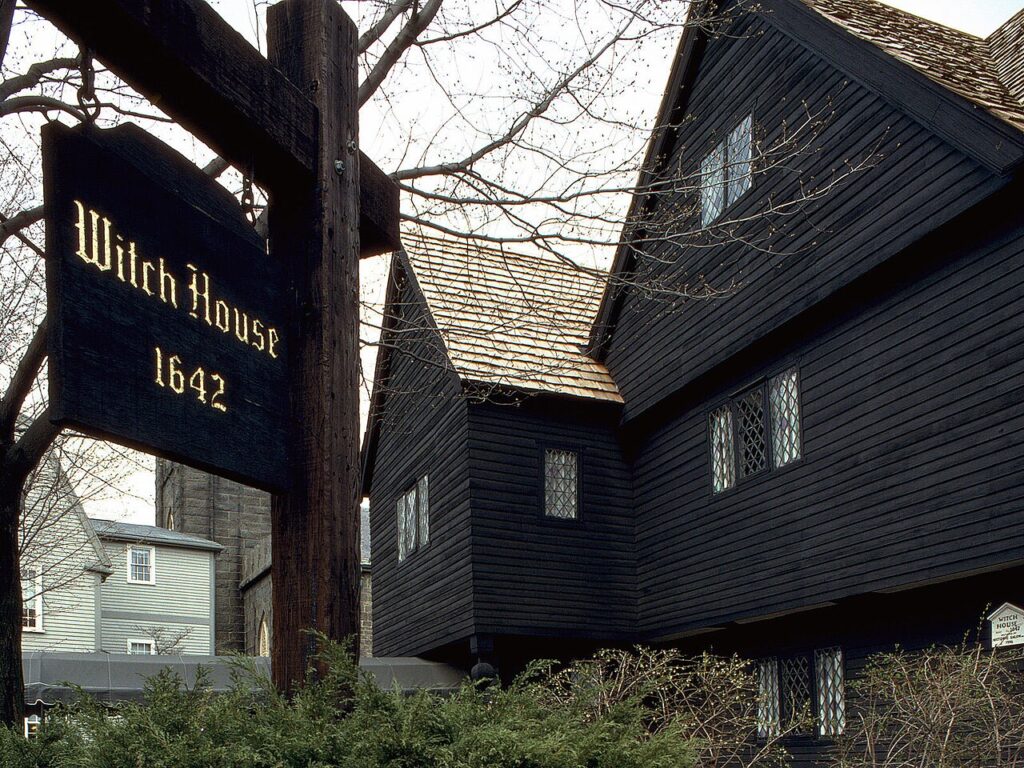
The Salem Witch Trials: Two Hundred Accused, Twenty Dead, and Not a Single Witch
Every October, more than a million people pour into Salem, Massachusetts — 1.1 million unique visitors in October 2025 alone, 96,600 of them on Halloween Day…
Read story →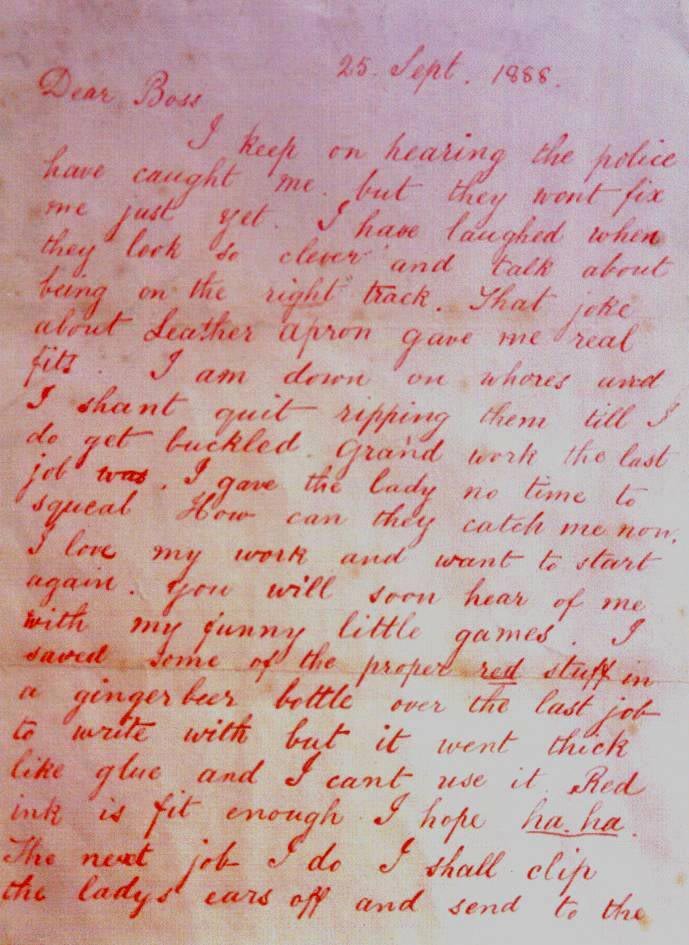
Jack the Ripper: Five Women, One Autumn, and a Name Made of Ink
Jack the Ripper is the most famous name in true crime. It has filled libraries, launched a hundred suspects, and sold walking tours through Whitechapel every…
Read story →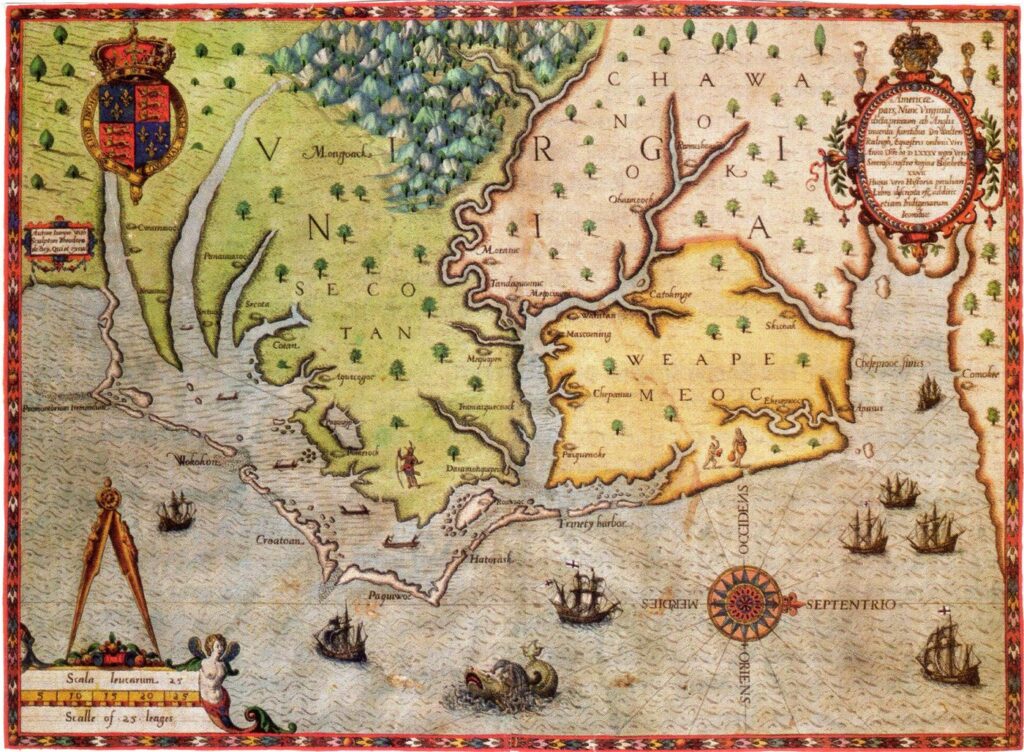
The Lost Colony of Roanoke: One Word, 115 People, and 400 Years of Searching
On August 18, 1590, Governor John White waded ashore on Roanoke Island expecting to find his family. His daughter Eleanor was there. His son-in-law Ananias Dare…
Read story →